
Get Japanese Maple Pruning in Shingle Springs, CA
Japanese Maple Pruning services in Shingle Springs, CA, help property owners maintain tree health, improve appearance, and address overgrowth or safety concerns with expert trimming.
If you own a property in Shingle Springs, CA, and have a Japanese maple that could benefit from professional pruning, you're in the right place to explore your options. Proper pruning not only enhances the tree’s natural beauty but also promotes healthier growth and can help prevent potential issues down the line. Property owners often consider this work to maintain the aesthetic appeal of their landscape or to ensure safety by removing dead or overgrown branches. As you plan your project, comparing local contractors who specialize in Japanese maple care can help you find the right fit for your needs.
Continuing your search for the ideal service provider involves evaluating the experience and approach of local experts who understand the specific needs of Japanese maples in the Shingle Springs area. Many property owners find value in working with professionals who can offer tailored pruning services that suit their landscape and vision. Keep reading to discover how to connect with trusted local contractors capable of delivering quality work that supports the health and beauty of your Japanese maple.
- Japanese Maple Pruning - needed when overgrown branches threaten the health or appearance of the tree in residential neighborhoods.
- Japanese Maple Pruning - recommended to improve airflow and sunlight penetration in gardens around Shingle Springs, CA.
- Japanese Maple Pruning - necessary after storm damage or storm-related limb breakage in local yards.
- Japanese Maple Pruning - advised to maintain the desired shape and size of the tree for aesthetic purposes.
- Japanese Maple Pruning - appropriate when removing dead or diseased branches to promote overall tree health.
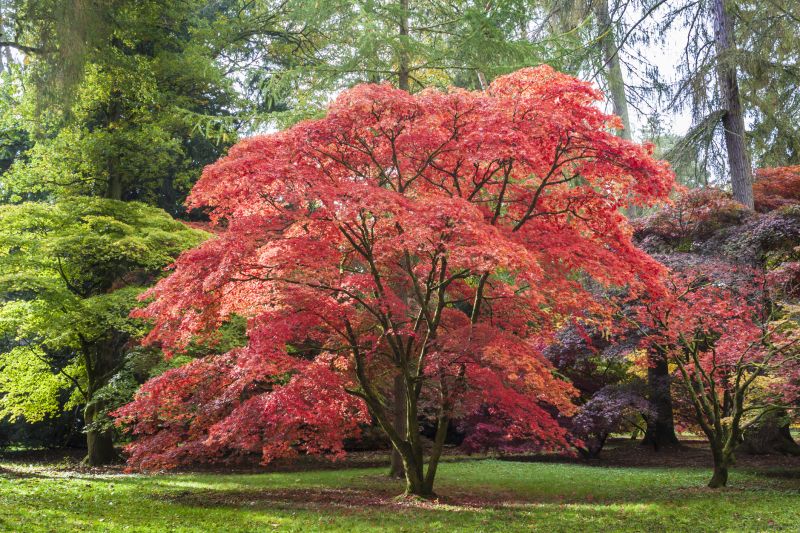
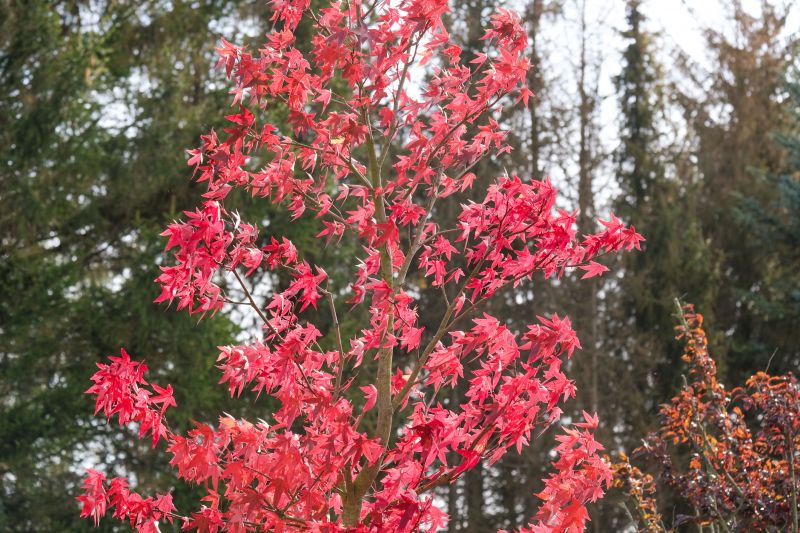
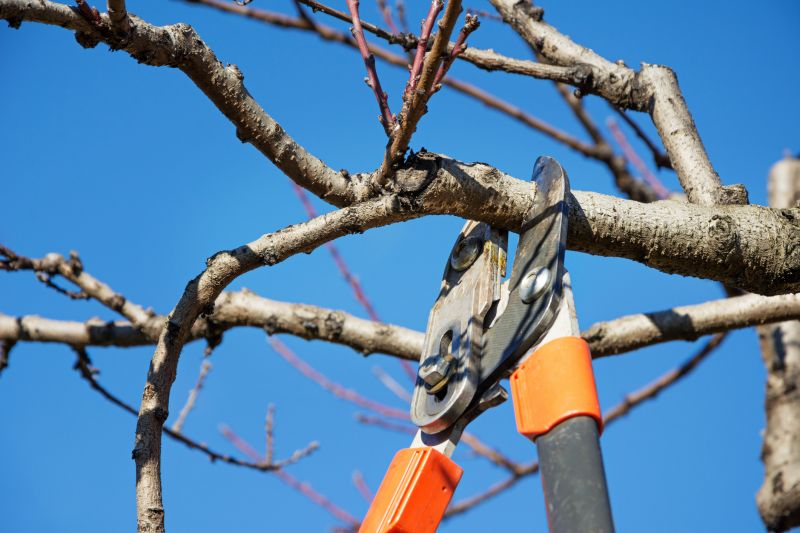
Japanese Maple pruning services involve carefully trimming and shaping these distinctive trees to maintain their health and aesthetic appeal. Skilled service providers evaluate the tree’s structure, removing dead or diseased branches and thinning out dense areas to promote better airflow and light penetration. Proper pruning helps ensure the tree’s natural form is preserved while preventing overgrowth that can lead to structural issues or imbalance. Regular upkeep by experienced contractors can enhance the tree’s vibrant foliage and overall appearance, making it a striking feature in any yard or landscape.
Pruning can also address common problems such as crossing branches, which can cause wounds or create weak points that may break during storms or high winds. Overgrown or unruly branches can obscure views, block sunlight, or interfere with nearby structures like power lines or walkways. Additionally, removing damaged or diseased limbs helps prevent the spread of pests and decay, protecting the health of the tree. Service providers can assess the specific needs of each Japanese Maple to develop a tailored pruning plan that reduces hazards and promotes longevity.
This type of pruning is often sought by homeowners with established gardens, residential properties, or landscaped yards that feature Japanese Maples as focal points. Properties that value aesthetic appeal and require regular maintenance to keep their trees looking their best frequently utilize these services. Japanese Maple pruning is also common for those preparing for seasonal changes, ensuring the trees remain healthy and visually appealing year-round. Whether for a small backyard or a larger estate, local contractors can provide the expertise needed to keep these trees thriving.
Homeowners in areas like Shingle Springs, CA, and surrounding communities often turn to local service providers for Japanese Maple pruning. These professionals understand the regional climate and specific growth patterns of Japanese Maples, allowing them to deliver customized care. Regular pruning can help prevent overgrowth, reduce the risk of storm damage, and maintain the tree’s elegant form. Contacting experienced contractors ensures that the pruning work is done correctly, supporting the health and beauty of Japanese Maples in any property setting.
The overview below groups typical Japanese Maple Pruning projects into broad ranges so you can see how smaller, mid-sized, and larger jobs often compare in Shingle Springs, CA.
In many markets, a large share of routine jobs stays in the lower and middle ranges, while only a smaller percentage of projects moves into the highest bands when the work is more complex or site conditions are harder than average.
Smaller Pruning Jobs - Typical costs for routine Japanese maple pruning in Shingle Springs range from $150 to $300. Many standard maintenance projects fall within this range, depending on the size and complexity of the tree. Fewer projects will reach the higher end of this band.
Moderate Trimming and Shaping - More detailed shaping or selective trimming usually costs between $300 and $600. Many local contractors handle these projects regularly within this range, though larger or more intricate jobs may cost more.
Large or Complex Pruning - Extensive pruning involving multiple trees or significant structural work can range from $600 to $1,200. These projects are less common but are handled by specialists for larger properties or intricate designs.
Full Tree Restoration or Removal - Complete removal or major restoration projects can cost $1,500 to $5,000+ depending on size and accessibility. Such large-scale work is less frequent and typically involves detailed planning by experienced professionals.
Actual totals will depend on details like access to the work area, the scope of the project, and the materials selected, so use these as general starting points rather than exact figures.
Tree Trimming and Shaping - this project involves precise cutting and shaping techniques similar to Japanese Maple pruning to enhance tree aesthetics and health.
Ornamental Shrub Pruning - pruning ornamental shrubs requires careful planning and tool use comparable to Japanese Maple maintenance for optimal appearance.
Landscape Planting and Design - designing and planting landscape features involves understanding plant growth habits and planning, skills shared with pruning Japanese Maples.
Fruit Tree Pruning - this work involves selective cutting and shaping of fruit trees, which shares techniques used in Japanese Maple pruning for healthy growth.
Hedge Trimming and Maintenance - maintaining hedges involves regular trimming and shaping, similar to the pruning practices for Japanese Maples to maintain form and health.
Garden Cleanup and Restoration - clearing and restoring garden areas often includes pruning and shaping trees and shrubs, requiring skills applicable to Japanese Maple services.
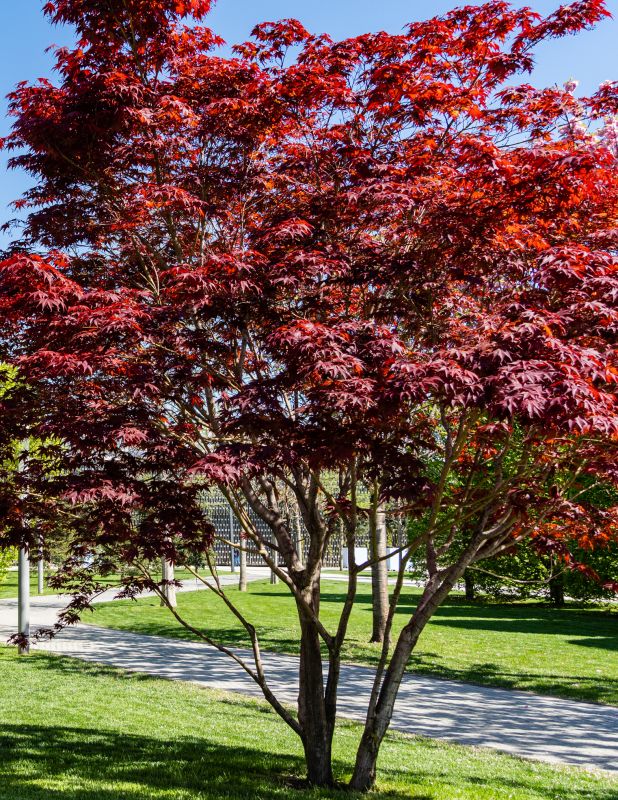
When selecting a contractor for Japanese Maple pruning, it’s important to consider their experience with similar projects. Homeowners should look for service providers who have a proven track record of caring for and shaping Japanese maples or comparable ornamental trees. An experienced professional will understand the specific needs of these trees, including proper pruning techniques that promote healthy growth and aesthetic appeal. Asking for details about previous work or examples of completed projects can help gauge whether a contractor has the relevant expertise to handle the unique requirements of Japanese maples in the Shingle Springs area.
Clear written expectations are essential to ensure that both the homeowner and the service provider are aligned on the scope of work. When comparing local contractors, it’s beneficial to request detailed descriptions of what the pruning will entail-such as the extent of trimming, shaping, or removal-and how the work will be approached. Having this information in writing helps prevent misunderstandings and provides a reference point throughout the project. Homeowners should also inquire about any specific care instructions or follow-up recommendations to maintain the health and appearance of the Japanese maple after pruning.
Reputable references and effective communication are key indicators of a trustworthy service provider. Homeowners can ask potential contractors for references from previous clients, especially those who have had similar Japanese maple pruning projects. Listening to feedback from past customers can provide insights into the contractor’s professionalism, reliability, and quality of work. Additionally, good communication-such as responsiveness, clarity in explanations, and willingness to answer questions-can make the process smoother and more transparent. It’s worth noting that this site introduces homeowners to local options capable of handling Japanese maple pruning, but the actual work is performed by qualified service providers in the area.
Property owners in Shingle Springs, CA use Japanese Maple Pruning services for practical projects around their homes and businesses. This guide focuses on everyday jobs and straightforward project options.
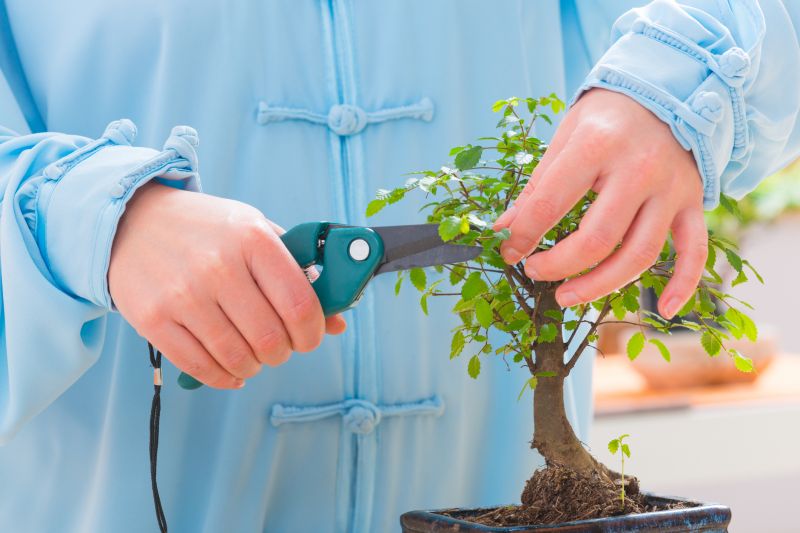
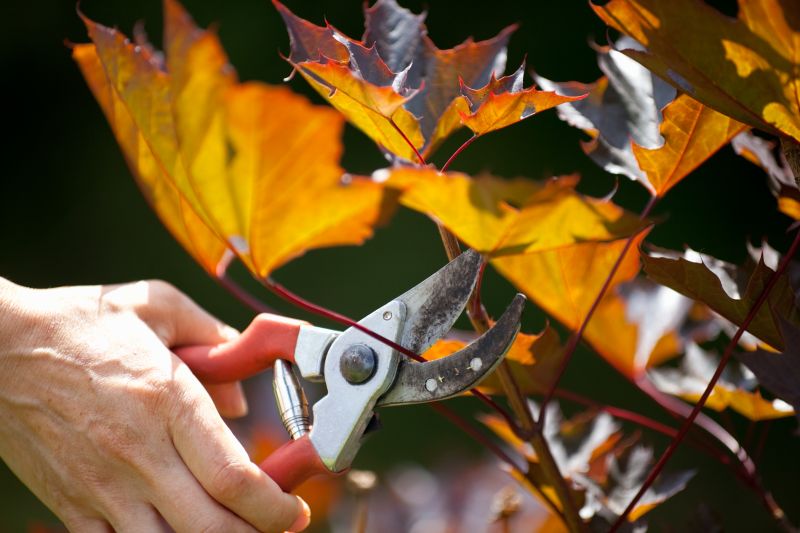
Japanese maple pruning services are often sought by property owners in Shingle Springs, CA, who want to maintain the health and appearance of their trees. Overgrown branches can obscure views, block sunlight, or interfere with structures like roofs and power lines. Local contractors can help shape and trim these trees to ensure they remain attractive and safe, especially as the seasons change and growth patterns become more prominent.
Additionally, property owners may look for pruning services when preparing their landscapes for seasonal events or to prevent potential damage during storms. Proper pruning can reduce the risk of falling branches and improve overall tree stability. Local service providers can assess the specific needs of Japanese maples and perform the necessary trimming to keep trees thriving and well-maintained within the unique environment of Shingle Springs.
Why is pruning important for Japanese Maples? Proper pruning helps maintain the tree's shape, promotes healthy growth, and prevents potential damage caused by overgrowth or broken branches.
When is the best time to prune a Japanese Maple? The ideal time for pruning is during late winter or early spring before new growth begins, though experienced local contractors can advise on specific timing based on your tree's condition.
What pruning techniques are recommended for Japanese Maples? Techniques such as selective thinning, removing dead or damaged branches, and shaping the canopy are commonly used by local service providers to ensure healthy development.
Can pruning help with disease prevention in Japanese Maples? Yes, removing diseased or decayed branches can reduce the risk of infections and improve overall tree health, a task often handled by experienced local contractors.
Is professional pruning necessary for Japanese Maples? While some pruning can be done by homeowners, professional pruning ensures proper technique, minimizes risks, and promotes the tree’s long-term health. Local pros can provide expert care tailored to Japanese Maples.
Tree Health Maintenance - Regular pruning helps Japanese Maples stay healthy and vibrant, enhancing the overall appearance of a property.
Safety Clearance Improvement - Proper trimming ensures branches are clear of walkways and structures, reducing potential hazards.
Aesthetic Enhancement - Skilled pruning can shape Japanese Maples to complement landscape design and improve curb appeal.
Growth Control Strategies - Local contractors can advise on pruning techniques to manage size and encourage desirable growth patterns.
If you are thinking about Japanese Maple Pruning for a property in Shingle Springs, CA, this guide is meant to help you understand the work, the typical project types, and how different options might fit your plans.
When you are ready, you can use the quote form on this page to share a few details about your project. From there, local pros can review the basics and respond with options that match what you have in mind.